Good Dog Academy
Get Set for the Vet
Tip Sheet
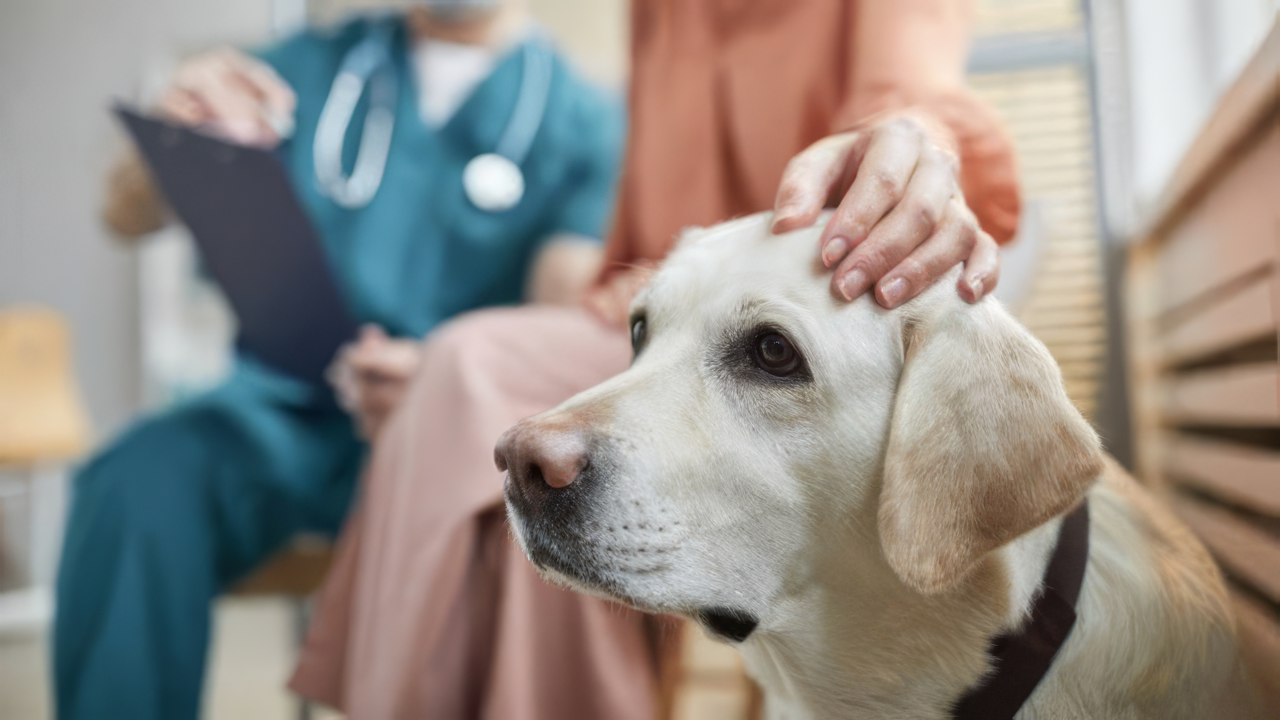
Through a better understanding of how dogs experience veterinary care, and by thoughtfully preparing them for the handling and procedures they may encounter, we can help make veterinary visits feel safer and more predictable for our dogs.
See the World Through
Your Dog's Eyes
Three simple questions that can change the way you think about veterinary visits.
Veterinary care is an important part of keeping our dogs healthy.
But think about a veterinary visit from your dog's point of view.
A car ride may be followed by an unfamiliar building filled with unusual smells, sounds, people and other animals. Someone they don't know may touch their body, look in their ears, examine their mouth, handle their paws or perform procedures they don't understand.
We know why these things are happening.
Our dogs don't.
And that difference in perspective can help us understand why even routine veterinary care may feel difficult for some dogs.
What if we could prepare our dogs for some of these experiences before they ever enter the clinic?
WHAT IF VET VISITS DIDN’T HAVE TO BE STRESSFUL?
For some dogs, a veterinary visit is simply another experience.
For others, it can be difficult from the moment they realize where they're going.
Stress may begin before the examination itself. The car ride, waiting room, unfamiliar smells, slippery floors, other animals or previous experiences can all influence how a dog feels.
And stress can build.
By the time an examination begins, a dog may already be struggling to cope.
We can't guarantee that every veterinary visit will be completely stress-free. Illness, pain and necessary procedures can sometimes make veterinary care challenging.
But we can think about the things within our control.
Preparation at home, thoughtful handling, positive experiences and communication with the veterinary team can all help.
Helping your dog feel safer at the vet begins long before the appointment.
WHAT DOES YOUR DOG THINK HAPPENS AT THE VET?
We understand the purpose of a veterinary examination.
Our dogs experience what actually happens.
They're lifted onto a table.
A stranger approaches.
Hands move over their body.
Their ears may be examined, their mouth opened, their paws handled or their temperature taken.
None of these things are automatically meaningful to a dog simply because they're medically necessary.
Now imagine if some of those experiences were already familiar.
What if having an ear gently lifted wasn't unusual?
What if having a paw held briefly was something your dog had experienced many times in a comfortable setting?
What if standing on a mat or being touched in particular ways had a history of predicting something pleasant?
We can't explain an upcoming veterinary examination to our dogs in words.
But we can help make some of the experiences they may encounter more familiar and predictable.
Familiarity doesn't remove every challenge, but it can change how a dog experiences what happens next.
CAN YOUR DOG COMFORTABLY ACCEPT AN EAR CHECK?
It's a simple question, but try it from your dog's perspective.
Can you gently lift one ear?
Can you look inside?
Can you touch around the base of the ear?
And most importantly:
What does your dog tell you while you're doing it?
Do they remain comfortable?
Do they turn their head away?
Move away?
Become tense?
Try to stop the interaction?
These responses are information.
An ear check is only one example. Veterinary care may involve touching paws, examining teeth, looking at eyes, handling legs or touching sensitive areas of the body.
Practising these small pieces at home can help dogs become more familiar with the kinds of handling they may experience during veterinary care.
But practice should not mean simply holding a dog still until they tolerate it.
Go slowly. Pay attention. Give your dog opportunities to pause.
Preparation isn't about teaching a dog that they have no choice. It's about helping them feel more comfortable with what may happen.
START WITH CURIOSITY
You don't need to recreate a veterinary examination at home to begin preparing your dog.
For the next few days, simply notice.
How does your dog respond when different parts of their body are touched?
Are there types of handling they seem particularly comfortable or uncomfortable with?
What does your dog do when they would like an interaction to stop?
Could you practise one small piece of veterinary handling while your dog is comfortable and relaxed?
You may begin noticing signals that were easy to overlook before.
And that's really where thoughtful preparation starts:
not with making a dog tolerate veterinary handling, but with noticing how they feel about it and helping them become more comfortable, one small step at a time.
Get Set for the Vet will help you prepare your dog at home for common veterinary experiences and develop practical skills that can make handling and veterinary care more familiar and predictable.
Good Dog Academy
Helping your dog feel safe begins long before the appointment.

Good Dog Academy
Ready to see vet visits differently?
Click the image to register.
Use your Discount or Coupon Code at checkout to save $5.
It also lets us recognize the community partner who helped you discover Good Dog Academy.