Good Dog Academy
Train Your Dog
Tip Sheet
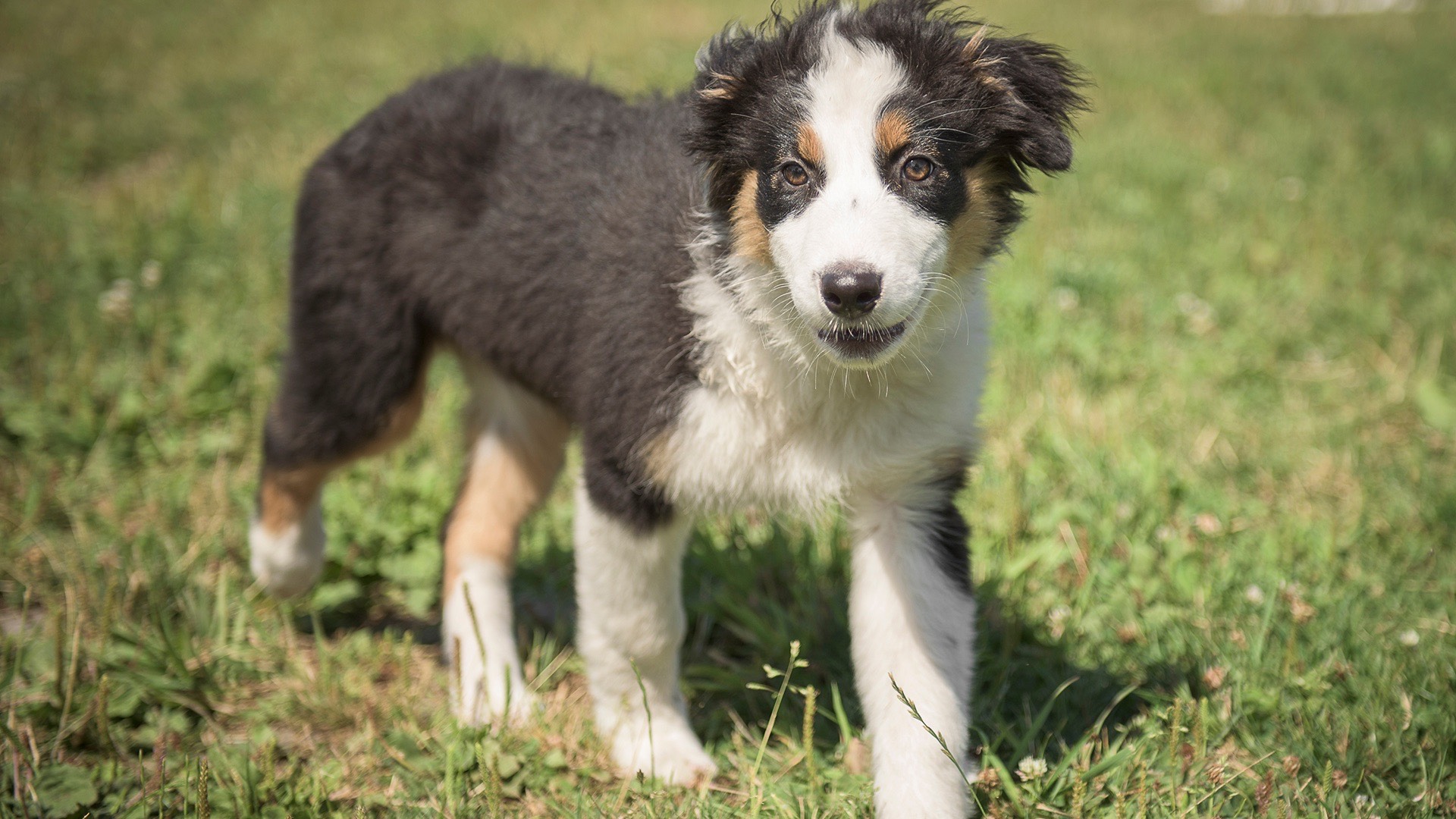
Through a better understanding of how dogs learn, how they communicate and how our responses shape their behaviour, training can become more than teaching cues. It can become a clearer, more rewarding conversation between you and your dog.
See the World Through
Your Dog's Eyes
Three simple questions that can change the way you think about training.
Training is sometimes thought of as teaching a dog what we want them to do.
Sit. Stay. Come. Walk nicely on leash.
But good training begins somewhere else.
It begins with understanding how your dog learns.
Dogs are constantly learning from what happens around them, including what works, what doesn't and what happens after the choices they make.
When we understand that process, training becomes less about getting a dog to follow instructions and more about helping them understand what we're asking.
And that can change training for both ends of the leash.
WHAT IF YOUR DOG LOVED LEARNING?
Think about the difference between doing something because you have to and doing something because you're genuinely interested in it.
Dogs can experience that difference too.
Learning can be engaging, rewarding and even fun when a dog feels comfortable, understands what is being asked and has opportunities to succeed.
That doesn't mean every training session needs to be exciting. It means paying attention to the learner in front of you.
Is your dog engaged?
Are they interested in continuing?
Are they succeeding often enough to stay confident?
Would a break help?
When we make learning understandable and rewarding, dogs are more likely to participate willingly.
Training doesn't have to be something we do to our dogs. It can be something we do with them.
ARE YOU SPEAKING YOUR DOG’S LANGUAGE?
We talk to our dogs all the time.
But dogs don't arrive knowing what our words mean.
“Sit,” “stay,” “leave it” and even their own name only become meaningful through learning and experience.
At the same time, dogs are communicating with us constantly through their bodies, movement, expressions and behaviour.
Sometimes communication breaks down simply because we're paying attention to what we're saying without noticing what our dog is telling us.
Is your dog confused?
Are they comfortable?
Do they understand what you're asking?
Are you asking for too much, too quickly?
Clear communication requires both sides of the conversation.
The more we learn to notice what our dogs are communicating, the better we can help them understand what we're communicating, too.
DOES YOUR DOG KNOW WHEN THEY’VE DONE IT RIGHT?
Imagine trying to learn something new without knowing when you've got the answer right.
It would be frustrating.
Dogs need clear information too.
When a behaviour leads to something the dog values — perhaps food, play, access to something interesting or another meaningful reward — it helps them understand which behaviour worked.
Timing matters.
If we communicate that success clearly and consistently, learning becomes easier.
Instead of waiting for mistakes and correcting them, we can begin noticing the moments when our dogs get it right.
Those moments may be small.
A glance toward you.
Four paws on the floor instead of jumping.
A loose leash for a few steps.
Choosing to come back when called.
Each one is an opportunity to communicate:
Yes. That's what I was looking for.
The clearer we make success, the easier it becomes for our dogs to understand what we'd like them to do again.
START WITH CURIOSITY
You don't need to completely change the way you train your dog to begin seeing training differently.
For the next few days, simply notice.
When does your dog seem most interested in learning?
How does your dog tell you when they're confused or need a break?
How clearly are you communicating what you'd like them to do?
How often do you notice and acknowledge when your dog gets it right?
You may begin noticing that training is happening far more often than during a formal training session.
And that's really where thoughtful training starts:
not simply with teaching a dog what to do, but with understanding the learner at the other end of the conversation.
Train Your Dog will help you understand the why behind the how and develop practical, humane training skills that make communication and learning clearer for both you and your dog.
Good Dog Academy
Training is a lifelong conversation. Stay curious. Keep seeing the world through their eyes.
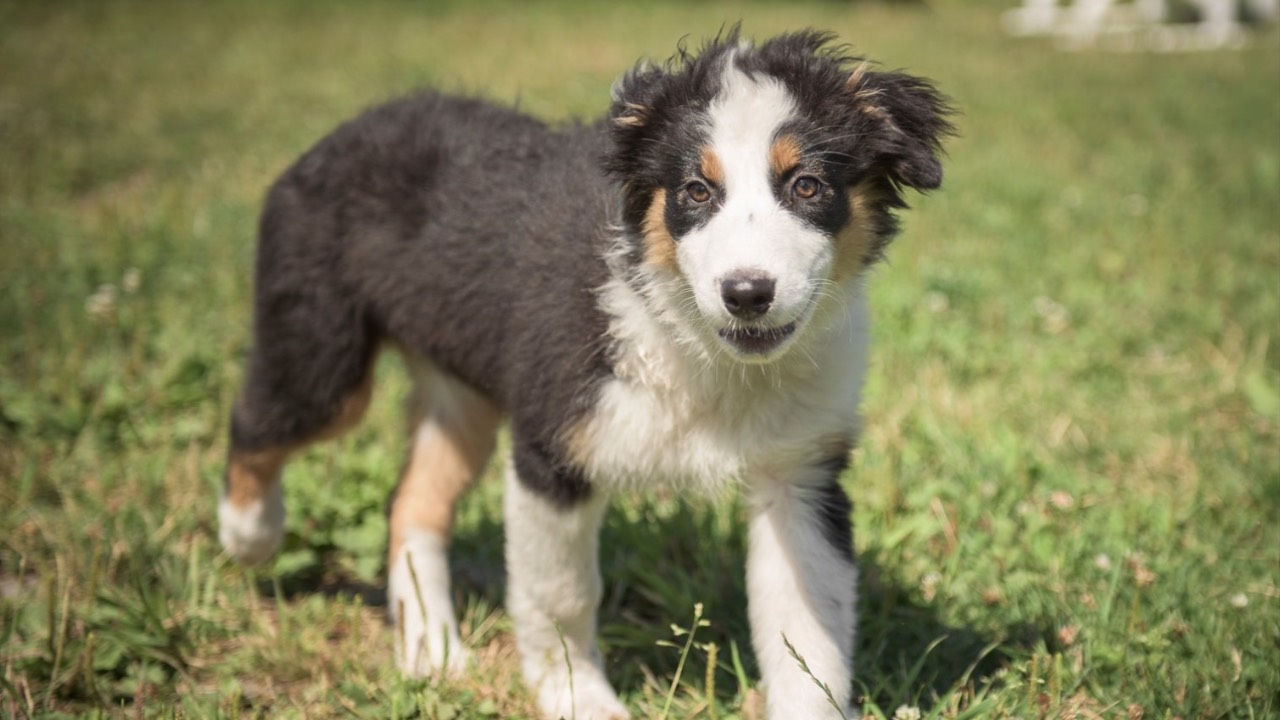
Good Dog Academy
Ready to see training differently?
Click the image to register.
Use your Discount or Coupon Code at checkout to save $5.
It also lets us recognize the community partner who helped you discover Good Dog Academy.