Good Dog Academy
Blogs

Leash pulling isn’t disobedience — it’s learning in action
Leash pulling is one of the most common concerns dog guardians have. It’s often labeled as stubbornness, excitement, or a lack of respect. But when we look at it through the lens of learning, a different picture emerges.
Leash pulling i...

Dogs don’t react “out of nowhere” — we just miss the early signs
When a dog suddenly barks, lunges, or freezes on a walk, it can feel unpredictable. But in most cases, the behaviour didn’t appear out of nowhere. It built up — moment by moment — through signals that were easy to miss if you don’t ...

The most common dog walking mistake isn’t equipment — it’s attention
When walks go wrong, it’s easy to blame the leash, the harness, or the technique being used. But more often than not, the issue starts somewhere else entirely.
It starts with where attention is directed.
Dogs are constantly c...

Dog walking is often seen as a simple, everyday task — leash up, head out, and let the dog burn off some energy.
But when done professionally, dog walking becomes something much more meaningful.
A skilled dog walker is not just guiding a route. They are actively reading and responding to behavi...
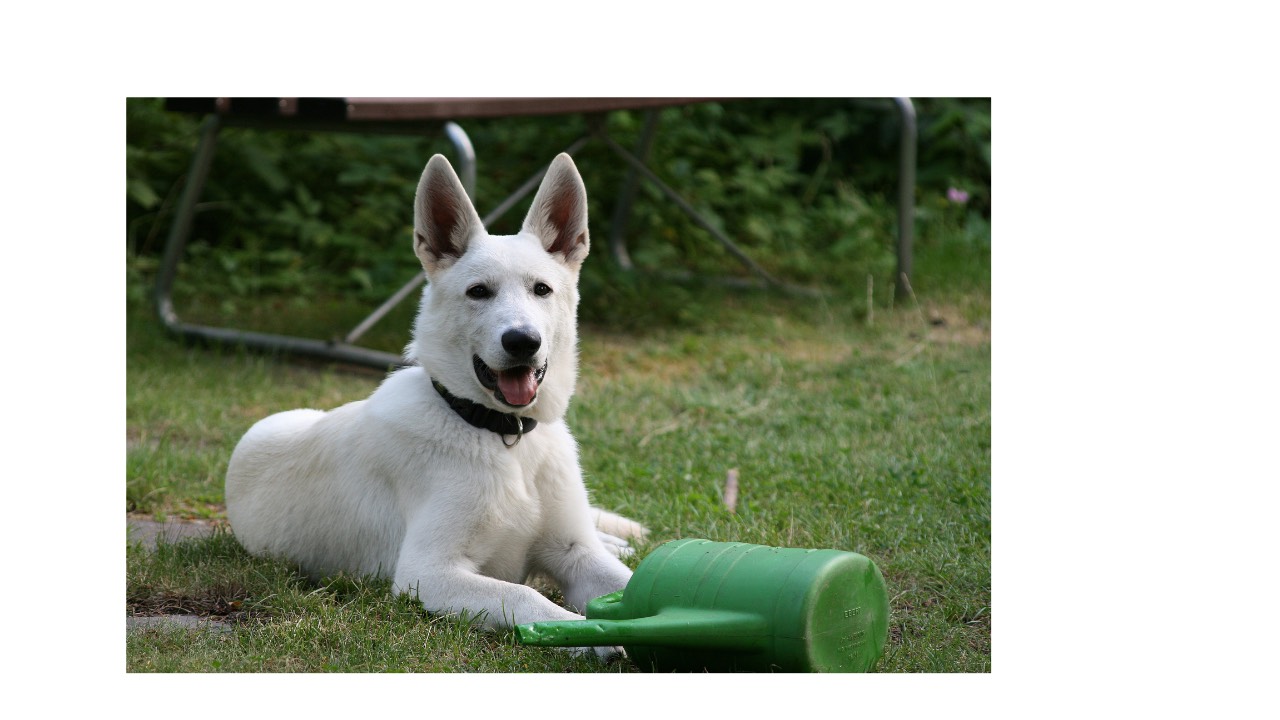
If your dog won’t stand still during handling, it’s rarely resistance. More often, it’s a gap in preparation.
Many dogs are expected to tolerate brushing, nail trims, veterinary checks, or grooming without first learning the foundational skill that makes those activities easier: standing calmly and...

If a behaviour seems to fall apart the moment you step outside, it’s rarely because your dog “knows it but refuses to listen.”
More often, the environment has simply outcompeted your reinforcement.
Outdoors introduces a flood of new information for dogs. Smells, sounds, movement, other animals, pe...
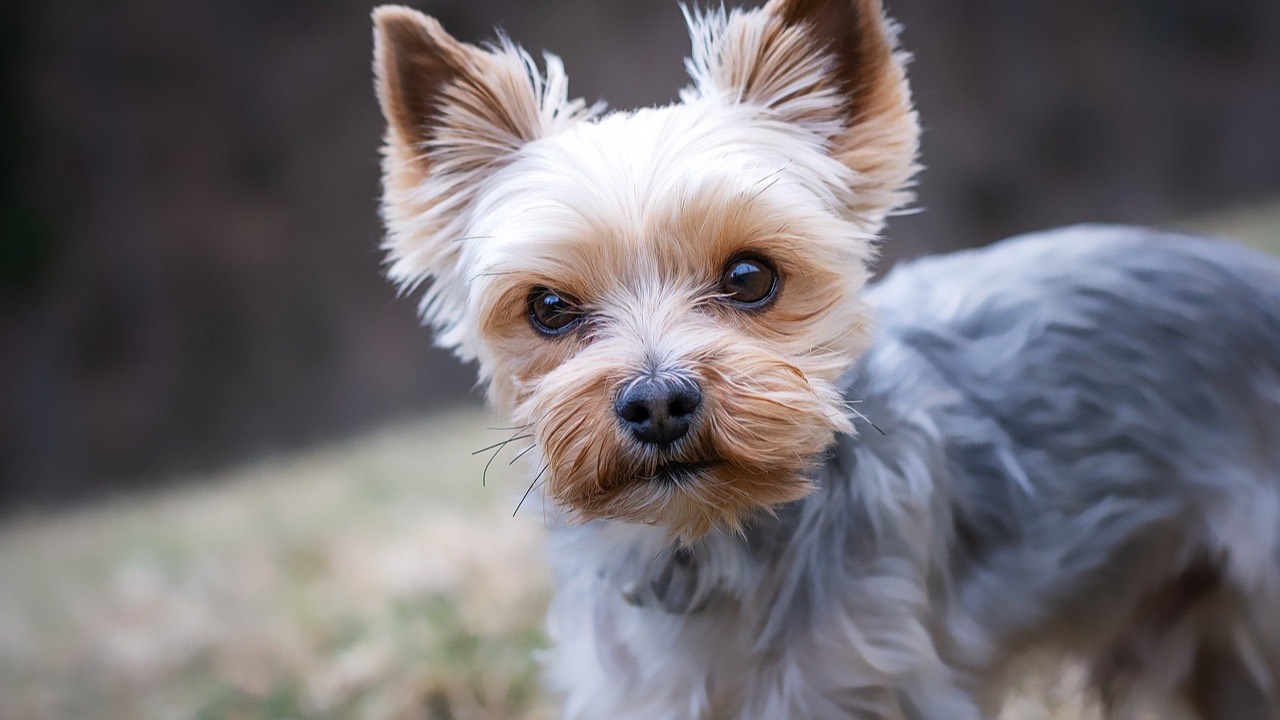
If your dog sits on cue but immediately pops back up, the missing piece is usually duration.
Many dogs learn the movement of the behaviour very quickly. They understand how to put their rear on the ground when asked. But remaining in that position for a period of time is a completely different skil...

If your dog jumps, spins, barks, or becomes frantic when something exciting is about to happen, it’s easy to assume the problem is “too much energy.”
In reality, the issue is usually impulse control.
Excitement itself isn’t the problem. Many dogs become animated when they see a leash, hear the doo...